Preparing for the Flu Season: Essential Blood Tests and What They Reveal
Understanding the Importance of Blood Tests for Flu Season
As flu season approaches, it's essential to be proactive about your health. One of the best ways to prepare is by understanding the role of blood tests in assessing your immune system's readiness. Blood tests can provide valuable insights into your overall health and help identify any underlying issues that may make you more susceptible to the flu.
Regular blood tests can reveal deficiencies and imbalances that might compromise your immune function. By addressing these issues early, you can strengthen your defenses against the flu and other seasonal illnesses.
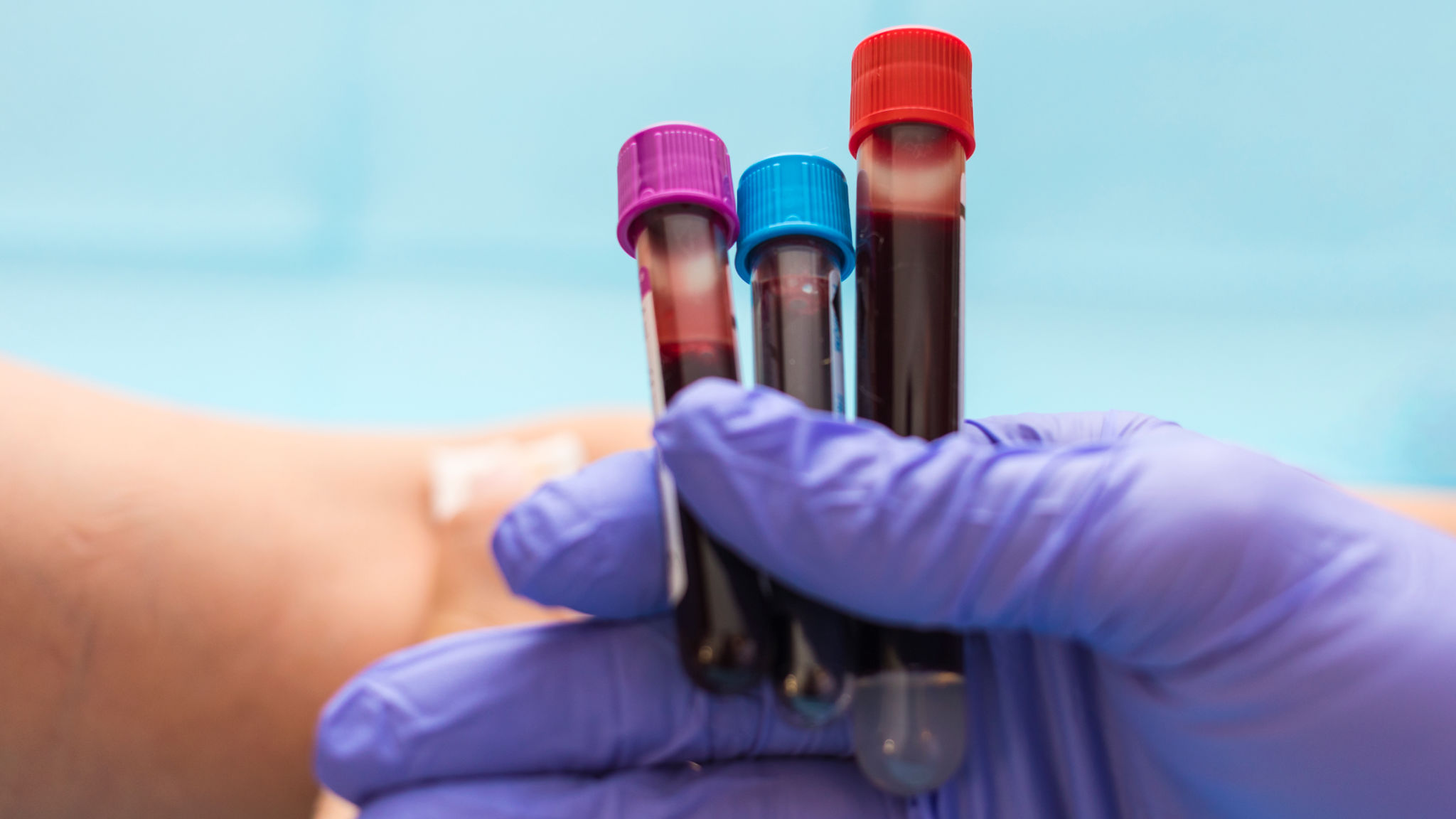
Key Blood Tests to Consider
Complete Blood Count (CBC)
The Complete Blood Count (CBC) is a fundamental blood test that measures various components of your blood, including red blood cells, white blood cells, and platelets. This test can help detect infections, anemia, and other conditions that might weaken your immune system.
Vitamin D Levels
Vitamin D plays a crucial role in maintaining a healthy immune system. A deficiency in this vitamin can increase your risk of contracting the flu. A blood test to measure your vitamin D levels can help determine if you need supplements to boost your immunity.

C-Reactive Protein (CRP) Test
The C-Reactive Protein (CRP) test measures the level of inflammation in your body. Elevated CRP levels can indicate chronic inflammation, which may weaken your immune response. Managing inflammation is essential for effective flu prevention.
Preparing for Blood Tests
Before undergoing any blood tests, it's crucial to follow your healthcare provider's instructions. Some tests may require fasting, while others might need you to avoid specific medications. Proper preparation ensures accurate results, allowing your doctor to make informed decisions about your health.
Here are some general tips to prepare for blood tests:
- Follow any fasting instructions provided.
- Stay hydrated to make blood draws easier.
- Wear comfortable clothing with easy access to your arms.

Interpreting the Results
Once you receive your blood test results, your healthcare provider will help you interpret them. Understanding these results is vital for making informed decisions about your health. If any abnormalities are detected, your doctor may recommend lifestyle changes, supplements, or further testing.
By taking these steps, you can ensure that your immune system is in the best possible shape to tackle the upcoming flu season.