How to Analyze Blood Test Results from Home
Understanding Blood Test Results
Blood tests are a valuable tool for assessing your health. They provide insights into various aspects of your body’s function, including organ health, nutritional status, and more. While interpreting these results can seem daunting, understanding a few basics can help you make sense of the numbers.
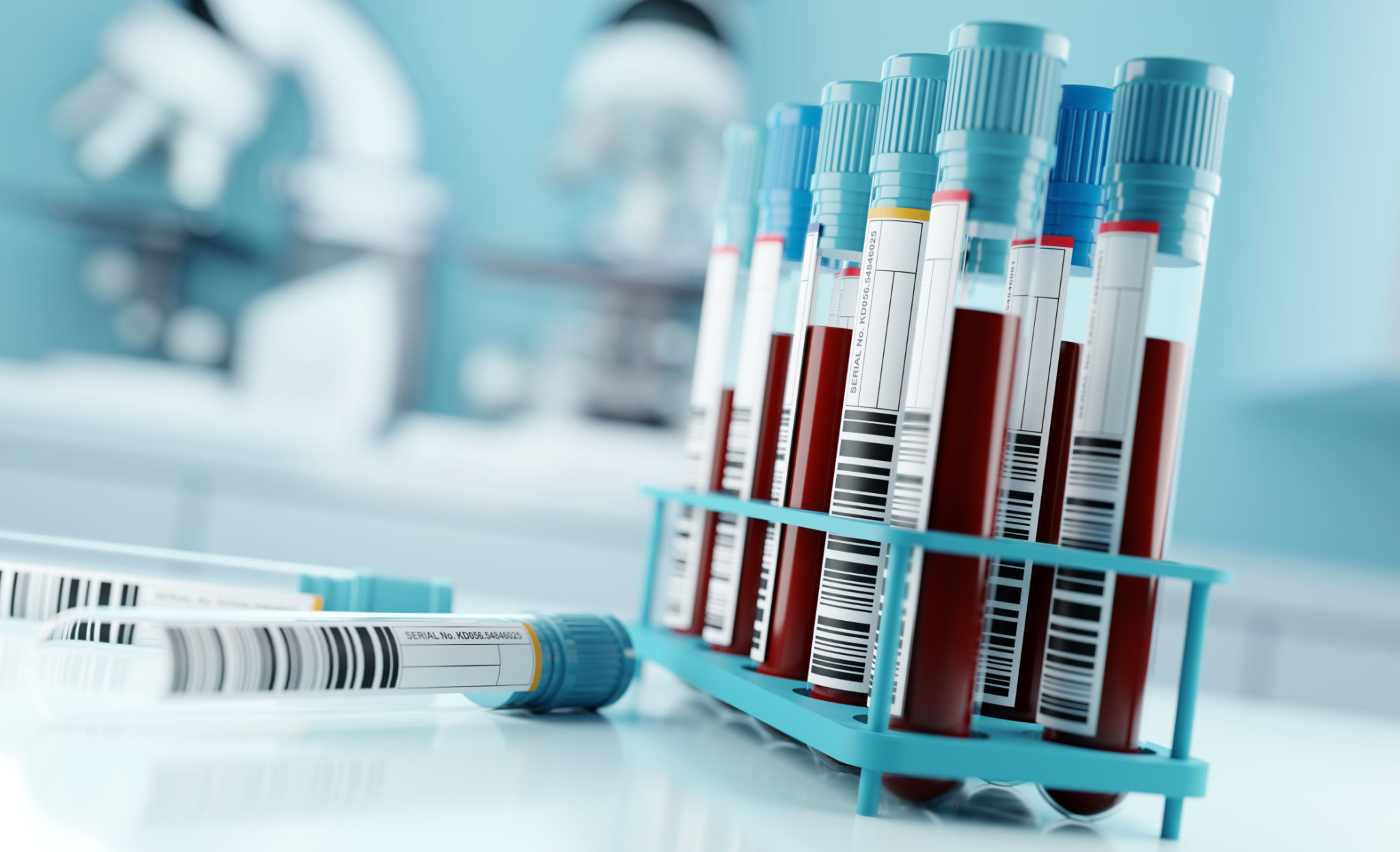
Key Components of Blood Tests
Most blood tests include several key components. Here are some of the common ones you might encounter:
- Complete Blood Count (CBC): This measures components such as red and white blood cells and platelets.
- Lipid Panel: This test checks cholesterol levels, including HDL, LDL, and triglycerides.
- Metabolic Panel: This provides information on glucose levels, electrolytes, and kidney function.
Interpreting Common Blood Test Results
Each component of a blood test has a normal range, and results outside these ranges can indicate potential health issues. For example:
- High glucose levels may suggest diabetes or pre-diabetes.
- Low red blood cell counts could indicate anemia.
- Abnormal cholesterol levels might increase the risk of heart disease.

Tools for Analyzing Blood Test Results at Home
Several digital tools and apps can assist you in analyzing your blood test results from home. These tools often provide explanations for various metrics and can track changes over time. Some popular options include:
- MyChart
- LabCorp
- Quest Diagnostics
Consulting with Healthcare Professionals
While these tools can provide valuable insights, it's crucial to consult with a healthcare professional for a comprehensive analysis. They can help interpret complex results and recommend appropriate actions. Never rely solely on home analysis for medical decisions.

Maintaining Health Through Regular Testing
Regular blood tests are an essential part of maintaining overall health. They allow for early detection of potential issues, enabling proactive management. Consider scheduling routine tests as part of your healthcare plan.
By understanding and utilizing the available tools for analyzing blood test results from home, you can take a more active role in your health. Knowledge is power, and by staying informed, you can make better health decisions.